





Fatty liver disease occurs when excess fat builds up in liver cells, making up more than 5 to 10% of the liver's weight. It often causes no symptoms, so people may not realize they have fatty liver. Worldwide, about 25% of adults have fatty liver, making it the most common chronic liver condition. It can even affect children – around 10% of U.S. children have Non-Alcoholic Fatty Liver Disease (NAFLD). If unchecked, fatty liver (especially the inflammatory form NASH) can progress to fibrosis, cirrhosis or liver cancer.
Causes and Risk Factors
Fatty liver is linked to metabolic health and lifestyle. Major risk factors include:
Obesity and metabolic syndrome: Excess body weight and belly fat raise liver fat levels and NAFLD risk.
Type 2 diabetes/Insulin resistance: Poor blood sugar control drives fat storage in the liver.
High blood lipids: Elevated triglycerides or LDL cholesterol often coincide with fatty liver.
Poor Diet & Inactivity: Diets high in sugar, refined carbs, or saturated fat – combined with sedentary behavior – promote NAFLD.
Genetics and ethnicity: Certain genes and family history raise risk; NAFLD is notably common in Hispanic populations.
Alcohol: Heavy drinking causes alcoholic fatty liver (a separate condition) that can also lead to cirrhosis.
Symptoms and Diagnosis
Fatty liver is often silent. When symptoms do occur, they are usually vague (fatigue or a mild discomfort in the upper-right abdomen). Because of this, doctors often find fatty liver via:
Blood tests: Liver enzyme tests (ALT, AST) may be elevated on routine labs.
Imaging: Ultrasound, CT or MRI can show excess fat in the liver.
FibroScan (elastography): A specialized ultrasound measures liver stiffness (scarring).
Biopsy: Rarely needed, a needle biopsy can confirm inflammation and fibrosis if diagnosis is unclear.
Early detection is important. If you have risk factors, ask your doctor about screening.
Natural Ways to Reverse Fatty Liver
No medications are approved to cure NAFLD. Instead, proven lifestyle changes can dramatically improve liver health:
Lose weight gradually: Even a 5% reduction in body weight can cut liver fat. Losing 7–10% of body weight can further reduce inflammation and scarring. Aim for steady weight loss through a healthy diet and exercise; rapid weight loss or crash diets can harm the liver.
Healthy diet: Emphasize a Mediterranean-style diet. Fill half your plate with vegetables and fruits, and include whole grains, lean proteins (fish, chicken, beans) and healthy fats (olive oil, avocado). Limit added sugars, refined carbs, fried foods and processed meats. This approach aids weight loss and directly benefits the liver.
Related Read: THESE DIETARY CHANGES CAN REVERT YOUR FATTY LIVER
Coffee: Regular unsweetened coffee is linked to reduced fibrosis in NAFLD and lower liver enzyme levels.
Green tea: Its antioxidants have been shown to improve liver enzymes in people with NAFLD.
Oily fish: Eating ≥2 servings of fatty fish per week (e.g. salmon, mackerel) can lower liver fat and improve blood lipids.
Nuts and healthy fats: A daily handful of nuts (walnuts, almonds) improves liver enzymes. Healthy fats like olive oil and avocado are associated with weight loss and better liver test results.
Related Read: 7 SUPER FOODS THAT HELP TO REVERSE FATTY LIVER
Exercise regularly: Aim for at least 150 minutes per week of moderate activity (brisk walking, cycling). Exercise burns calories, improves insulin sensitivity, and can significantly reduce liver fat even before major weight loss occurs. Include strength training (push-ups, squats) 2–3 times weekly to build muscle and boost metabolism.
Manage health conditions: Control blood sugar if you have diabetes, and keep cholesterol and blood pressure in a healthy range. Medicines for diabetes or high cholesterol may also benefit the liver indirectly.
Limit alcohol and toxins: Although NAFLD isn’t caused by alcohol, drinking still adds stress to the liver. Stick to recommended limits (≤1 drink/day for women, ≤2 for men) or abstain. Avoid unregulated supplements and consult your doctor before taking any new medications or herbal products that could affect your liver.
Sleep and stress: Good sleep and stress management improve metabolic health. Aim for 7–9 hours of quality sleep each night and use relaxation techniques (deep breathing, yoga, etc.). These habits help you maintain a healthy weight and insulin level, which in turn benefit your liver.
Are you tired of sleepless nights? Find out how natural sleep aids can help — no side effects, just better sleep.
Other Liver-Healthy Habits
Maintain a moderate weight: Avoid yo-yo dieting. Focus instead on sustainable changes (smaller portions, daily movement) that you can keep up long-term.
Prevent infections: Practice good hygiene and get vaccinated (hepatitis A and B vaccines) to avoid additional liver damage.
Fatty liver is reversible if addressed early. Many people see improved liver enzymes and reduced fat on imaging with these changes. For example, studies show that Mediterranean diets, regular coffee, and nuts have protective effects on the liver.
Take Action
If you have risk factors (like obesity or diabetes) or suspect fatty liver, talk to a doctor about testing and a treatment plan. Even simple steps – swapping soda for water, taking short walks, or adding vegetables to a meal – can start improving liver health. Studies show even a 5% weight loss cuts liver fat and staying active at a healthy weight protects the liver.
Sources: Authoritative medical resources and recent studies were used to ensure accuracy (see citations above). Always consult a healthcare professional for personalized medical advice.
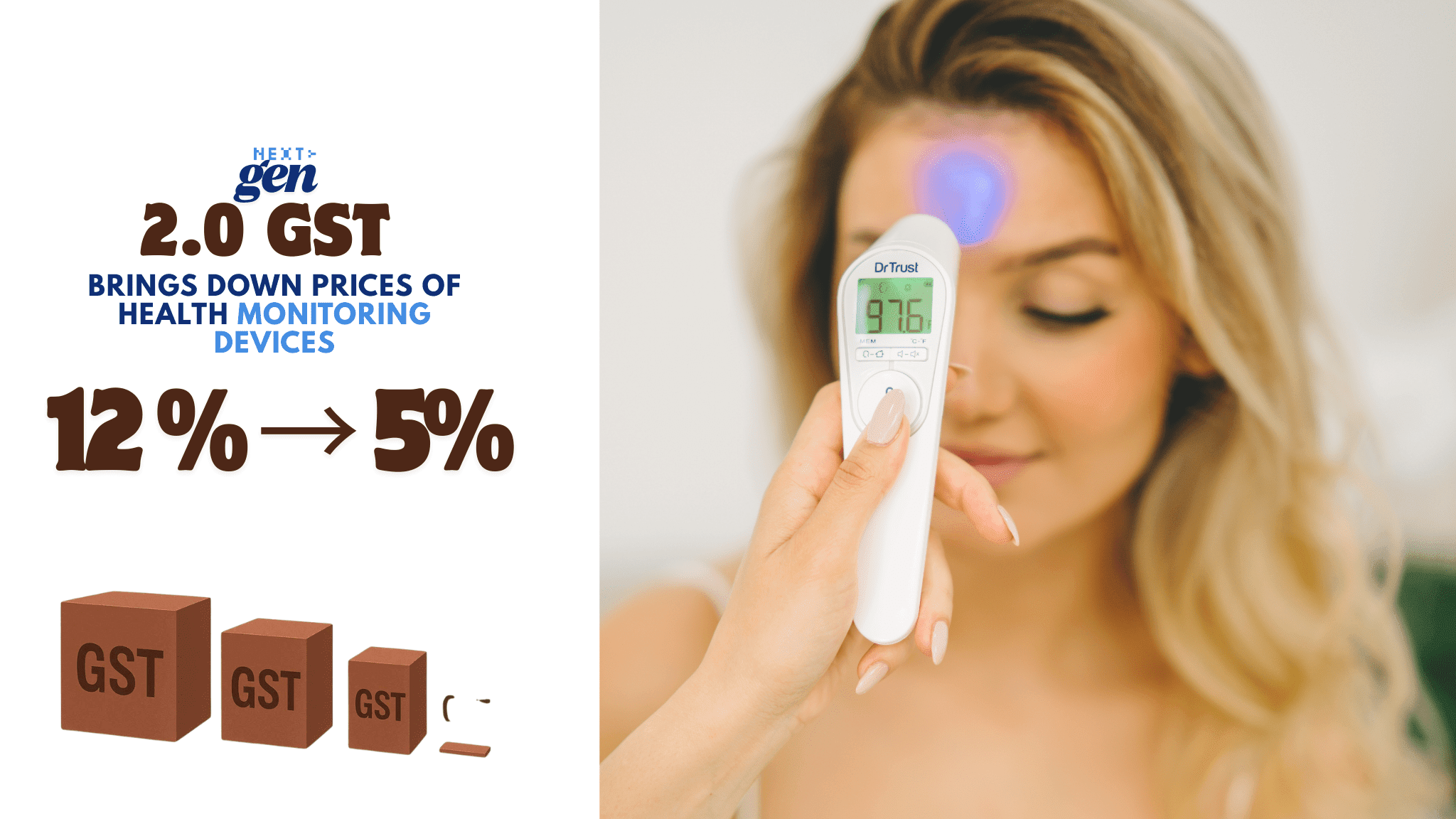
Click to discover how health-monitoring devices can make a real difference in your everyday wellness!